
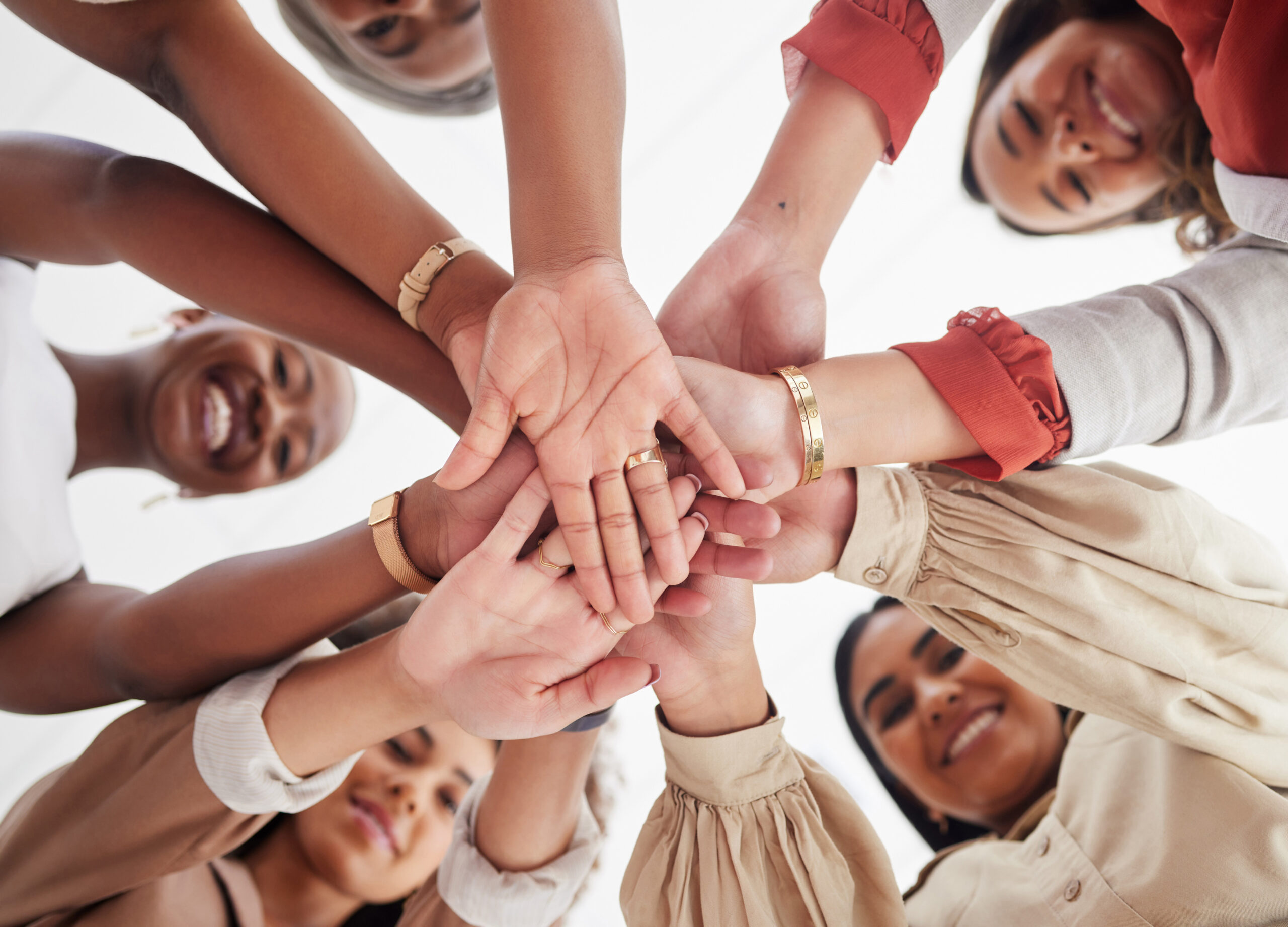
Women’s Day reflections from a working South African woman
Today, 9 August 2025, is Women’s Day in South Africa.
Ironically, my usual modus operandi on Women’s Day is to work. This is one of the small joys of life as a contractor. No leave, no sick leave, no maternity leave, no “I am observing the public holiday in a meaningful way while drinking tea in bed”. Just the simple and bracing arrangement of no work, no pay.
Still, even when I am working, Women’s Day always makes me pause.
Every year the posts start flying around, and in between deadlines, client messages and the normal business of keeping life vaguely upright, I find myself thinking about what Women’s Day actually means. Not in a generic, international hashtag kind of way, but in a very South African way.
I spent a few years living in the United Kingdom, and I think that has made me more aware of how different Women’s Day feels here. In South Africa, Women’s Day does not float around as a pleasant concept. It is rooted in a very specific history, and it sits inside a country with very visible layers of inequality, resilience, privilege, exhaustion and strength.
The history of Women’s Day in South Africa
Women’s Day in South Africa traces back to 9 August 1956, when more than 20,000 women marched to the Union Buildings in Pretoria to protest against the apartheid government’s pass laws.
These laws required Black South Africans to carry pass books that restricted their freedom of movement and deeply affected their dignity, opportunities and daily lives.
The march was led by Lilian Ngoyi, Helen Joseph, Rahima Moosa and Sophia Williams-De Bruyn. It was a peaceful but powerful act of resistance, and it became one of the most important moments in South Africa’s struggle for freedom and equality.
Today, 9 August is a public holiday in South Africa. It honours the women who marched, but it also asks us to look at the lives of women now.
And that is where it becomes complicated, because South African women do not live one kind of life.
Women in a deeply unequal country
One of the things that always strikes me about South Africa is the huge range of women’s daily realities.
There are women who wake up before sunrise, get children ready, make sure everyone has what they need, and then travel by public transport for an hour, two hours, sometimes even longer, to get to work. They work a full day, travel home again, and then start the next shift – children, cooking, washing, cleaning, homework, family responsibilities and whatever else has quietly landed on their shoulders.
There are those of us who are more privileged. We may spend two hours in traffic, but we do it in our own cars, with our own music, and with the small comfort of being sheltered from the rain, wind and heat. That is not a small difference.
There are women who work from home, which sounds wonderfully flexible until one has actually tried to do a full day of work from home.
Trust me, it is not always quite as glamorous as it sounds.
It is the dog deciding that the courier is a national security threat. It is the cat choosing a strategic moment to be sick on the floor next to you. It is the gate bell ringing four times, the washing machine flooding the kitchen, the school phoning to say your child is unwell, and the sudden realisation that someone still needs to be fetched from school.
All of this, of course, usually happens during a deadline, a call, or the one hour you had carefully carved out to concentrate.
And then there is the quiet joy of making up those lost work hours later at night, once everyone else has gone to bed and the house is finally still. Flexible, yes. Effortless, absolutely not.
There are teachers, nurses, public servants, emergency workers and women in care roles who give so much of themselves to keep society functioning. Often quietly. Often without enough recognition. Often while carrying their own families too.
There are women who do not do paid work because they cannot find work. There are women who do not do paid work because the cost or logistics of childcare make it almost impossible. There are women who do not need to work financially, but who still carry emotional, family and community roles that may be invisible from the outside.
There are women with children, women without children, women who desperately wanted children, women who chose not to have them, women raising other people’s children, women supporting parents, partners, siblings and entire households.
Our lives are not the same. Our opportunities are not the same. Our pressures are not the same.
But we are bound by the fact that we move through the world as women.
The second shift
Years ago, at university, I remember doing work around what we called the dual role of women. Today, it is often described as the “second shift” – the paid working day followed by the unpaid work that happens at home.
I think most women understand this without needing the academic term.
It is the moment you finish your actual job and then immediately move into the next one. Supper. School admin. Washing. Lunchboxes. Emotional temperature checks. Remembering birthdays. Knowing which child needs new shoes. Knowing what is in the fridge. Knowing what is not in the fridge. Remembering that there is, apparently, a costume required tomorrow morning for a school event you were told about at 8.30pm.
The mental load is real.
It is not only the doing. It is the noticing, planning, anticipating, remembering and worrying. It is the invisible project management of home and family life. And for many women, even very capable, independent, professional women, that responsibility still seems to land with us by default.
Whether by instinct, conditioning, necessity or some mysterious combination of all three, many women seem to carry the home in their heads. Sometimes this is a strength. Sometimes it is a lot. Sometimes it is both before 9am.
Work, home and the strange business of being equal
There is also something slightly absurd about the way women are expected to compete on an equal footing in the workplace while also managing the physical and hormonal realities of being women.
Childbirth, fertility struggles, pregnancy, miscarriage, breastfeeding, hormonal fluctuations, perimenopause, menopause – all the delightful little extras one does not usually see listed in a job description.
And yet women keep showing up.
We run businesses, manage teams, teach children, care for patients, build homes, design systems, start companies, keep households going, support families and contribute to society in ways that are both visible and invisible.
This is not a complaint. I have no interest in the “woe is me” version of womanhood. I do not think most women do.
But I do think it is worth acknowledging that women carry a great deal. We carry it with humour, grit, intelligence, creativity and, very often, while remembering where everyone else left their things.
What Women’s Day means to me
For me, Women’s Day is not only about celebrating women in an abstract way.
It is about remembering the women who marched in 1956.
It is about recognising the women who wake up before dawn and travel across this unequal country to earn a living.
It is about honouring the women who teach, nurse, care, lead, clean, build, write, manage, mother, mentor, organise and quietly keep things moving.
It is about acknowledging that some women are tired. Some are thriving. Most are probably both, depending on the day and the state of the kitchen.
It is about understanding that women’s lives are diverse, complicated and often far fuller than they appear from the outside.
And perhaps it is also about giving ourselves a little credit.
Women are extraordinary. Not in a fluffy, greeting-card way. In a practical, stubborn, deeply human way.
Today, I celebrate the women who came before us, the women walking beside us, and the women still doing far more than anyone realises.
Happy Women’s Day.
Sources
South African Government – Women’s Day and the 1956 Women’s March
South African Government – Commemoration of International Women’s Day and the historic 1956 Women’s March
The BMJ – Women’s wellbeing and the burden of unpaid work
UN Women – Facts and figures on women’s economic empowerment and unpaid care work
UN Women Data Hub – Forecasting time spent in unpaid care and domestic work
Applied Research in Quality of Life – Research on paid work, unpaid housework and women’s mental health